
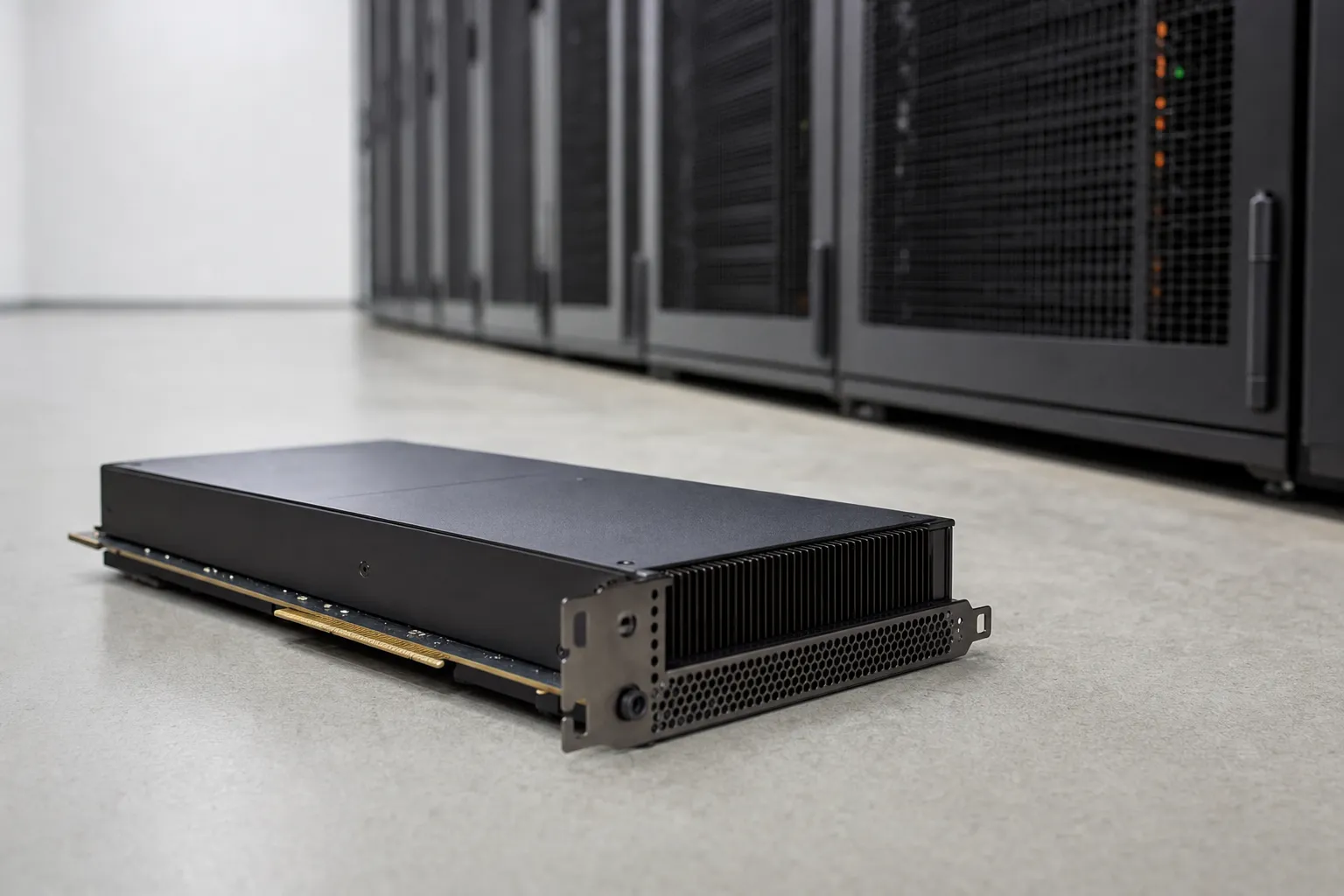
The artificial intelligence boom has created an unusual market dynamic: NVIDIA's Blackwell and other advanced GPU architectures are selling faster than data centers can actually deploy them. A critical bottleneck is emerging not in chip manufacturing but in electrical infrastructure. Modern GPU clusters—particularly those running multiple H100s or upcoming Blackwell processors—consume between 10-15 megawatts per facility, with individual server racks drawing 30-50 kilowatts each. This far exceeds the capacity of power distribution systems at many existing data centers, which were designed for CPU-era workloads consuming a fraction of that power. Hyperscalers are discovering that simply purchasing GPUs is only half the challenge; retrofitting electrical substations, upgrading transformers, and extending power delivery systems can take 12-18 months and cost tens of millions of dollars per facility.
Several major data center operators have reported extended deployment delays due to power constraints. One unnamed tier-one cloud provider, according to infrastructure analysts, had to stagger GPU shipments across multiple quarters because their data center campuses lacked sufficient electrical capacity, even after expedited upgrades. The problem compounds for regions already experiencing power shortages or grid strain. Facilities in areas dependent on aging electrical grids face particularly acute challenges—some operators report waiting months simply for utility companies to upgrade local transmission infrastructure. This creates a competitive disadvantage for providers without access to facilities powered by new, purpose-built infrastructure or those located in regions with abundant renewable energy capacity and modern grid systems.
The power constraint paradox affects NVIDIA's addressable market in unexpected ways. While the company continues reporting record data center revenue, actual chip deployments lag purchasing commitments. Industry observers estimate that 15-20 percent of ordered GPUs remain undeployed due to infrastructure limitations rather than demand weakness. This temporary constraint favors hyperscalers with engineering resources to accelerate electrical upgrades—companies like AWS, Google, and Meta can absorb infrastructure costs more readily than regional providers. However, the bottleneck may alleviate by 2025-2026 as new data center construction incorporates Blackwell-ready power systems from inception. The real question is whether the delay benefits alternative chip architects or simply shifts deployment timelines without fundamentally changing NVIDIA's market dominance in GPU compute infrastructure.