
Microsoft 365, Outlook, and Teams went down for thousands of U.S. users on Thursday.1 The outage disrupted services across at least 70 countries and represented the worst outage of the year by a significant margin.23 More than 100,000 users reported problems accessing Outlook and Microsoft 365 on DownDetector.4 The outage also disrupted connectors used by OpenAI's and Anthropic's artificial intelligence services.1 Microsoft Exchange, the backend cloud tool that stores email data and handles mail flow for Outlook, became unavailable, preventing users from accessing their email, calendars, and messages.4 The company took roughly 24 hours over two business days to restore full functionality.2
Microsoft identified the root cause as a "perfect storm" of three separate technical issues that converged simultaneously to disrupt the service.2 First, a bug caused servers to become unresponsive in specific conditions.2 Second, an issue with Microsoft Teams increased server traffic and created those problematic conditions.2 Third, many additional servers were already offline from an unrelated issue occurring at the same time.2 Microsoft explained that on their own, neither the bug nor the Teams issue would have caused such a large-scale disruption, but together they kept critical services offline for roughly 24 hours over two business days.2
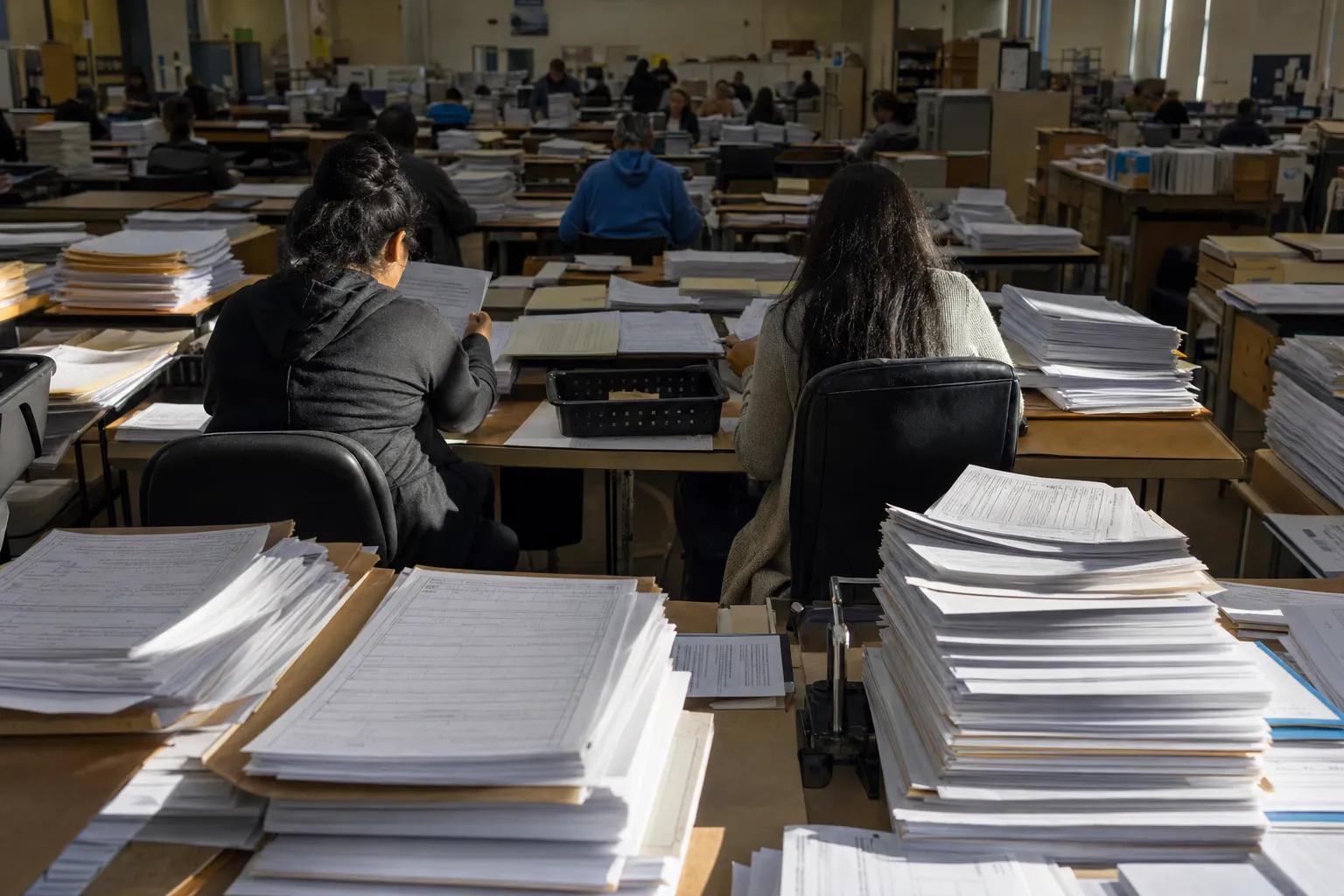
The outage had wide-ranging real-world consequences for organizations worldwide.3 Social services agencies in Orange County experienced service disruptions, with staff unable to access systems needed to verify eligibility or current benefits for residents seeking assistance.5 This forced agencies to process benefits applications by hand, causing significant delays and backlogs.5 Government institutions, courts, police forces, local authorities, and health services across at least 70 countries experienced disruptions.3 The incident has renewed scrutiny of how governments and public institutions depend on a single proprietary vendor for core operations, with the Document Foundation questioning why contingency plans were not in place.3