
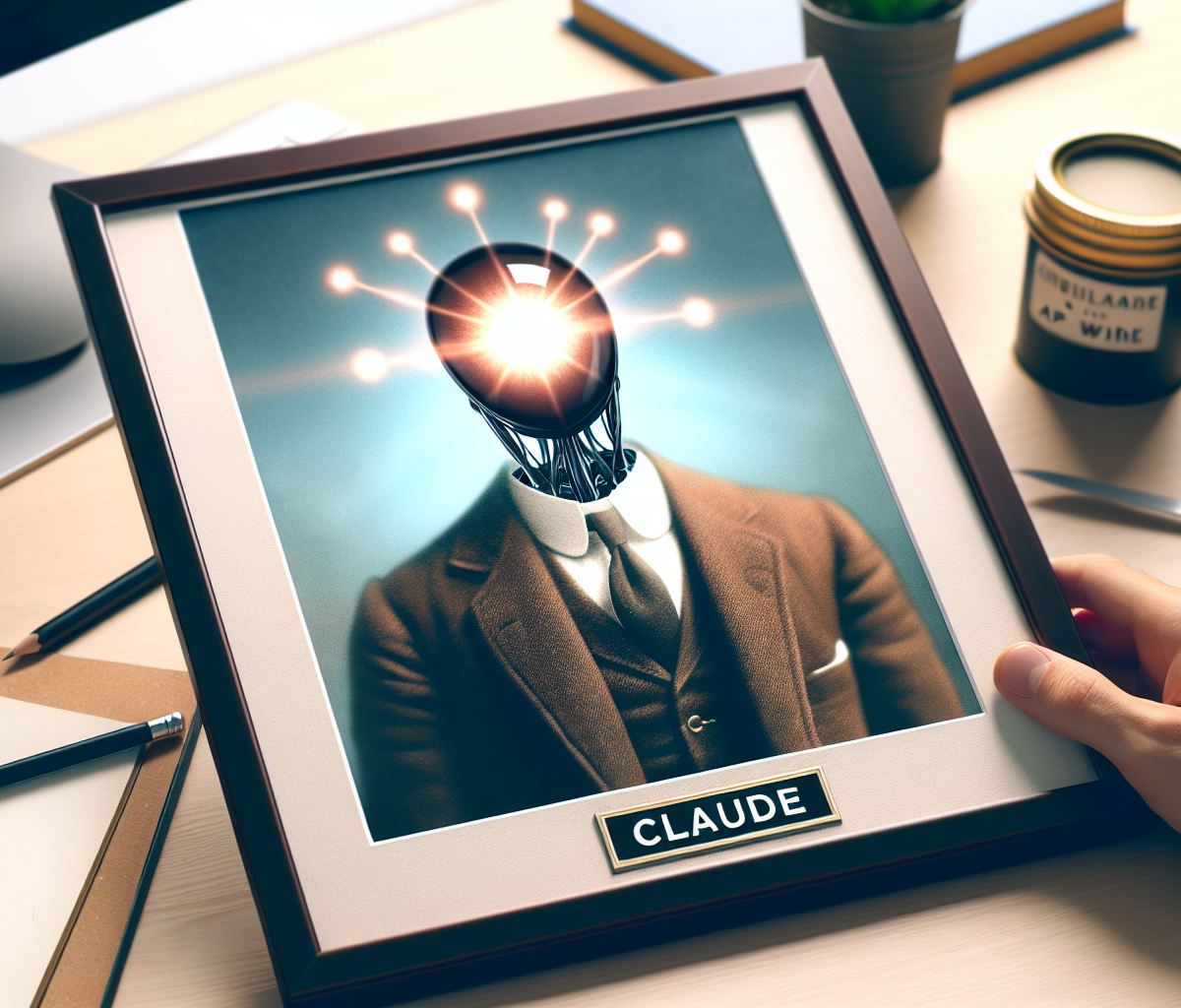
Anthropic has announced a wave of integrations embedding Claude directly into leading professional creative and development tools, marking a significant shift toward making its flagship model the default AI assistant across multiple industries. Claude is now accessible natively within Adobe's Creative Suite applications, Autodesk's design platform, Blender's 3D environment, and Ableton's music production software. Rather than forcing users to toggle between applications or copy-paste work into Claude's web interface, these integrations embed the AI as a contextual tool within each platform's native workflow. For Adobe users, Claude can assist with content generation, design refinement, and creative direction directly within Photoshop, Illustrator, and Premiere Pro. Autodesk's integration brings Claude into design and engineering workflows, while Blender users gain AI-assisted 3D modeling and asset creation capabilities. The Ableton integration enables musicians to leverage Claude for composition assistance, workflow optimization, and sound design exploration without interrupting production sessions.
The breadth of these simultaneous launches suggests Anthropic is executing a deliberate distribution strategy to establish Claude as infrastructure within creative professional workflows. By embedding at the platform level rather than competing as a standalone tool, Anthropic reduces friction for adoption—users encounter Claude within their existing software rather than needing to adopt new habits or tools. GitLab's concurrent announcement of Claude Opus 4.7 access through its Duo Agent platform indicates the strategy extends to developer-focused environments as well. These integrations arrive as competitive pressure intensifies in AI-assisted creative tools, with rivals including OpenAI's GPT models and specialized AI design tools gaining traction. The timing suggests Anthropic is prioritizing market penetration in professional verticals where users already invest in premium software subscriptions and have higher willingness to adopt AI assistance for productivity gains.
The practical significance depends on execution quality and feature depth. Shallow integrations that merely allow Claude API calls from within applications offer incremental value. Deeper implementations that leverage platform-specific context—allowing Claude to understand Blender's node structure, Adobe's layer hierarchy, or Ableton's MIDI arrangements—could materially improve output quality and user experience. The lack of specific ship dates or user adoption metrics in current announcements makes it difficult to assess whether these are fully launched features or extended beta programs. For Anthropic, these integrations represent a critical avenue for revenue growth beyond direct API consumption, as embedded enterprise integrations typically command higher margins and create switching costs through workflow integration. Success here would position Claude as the default AI layer across creative industries rather than a supplementary tool, fundamentally altering how professionals interact with their primary software.