
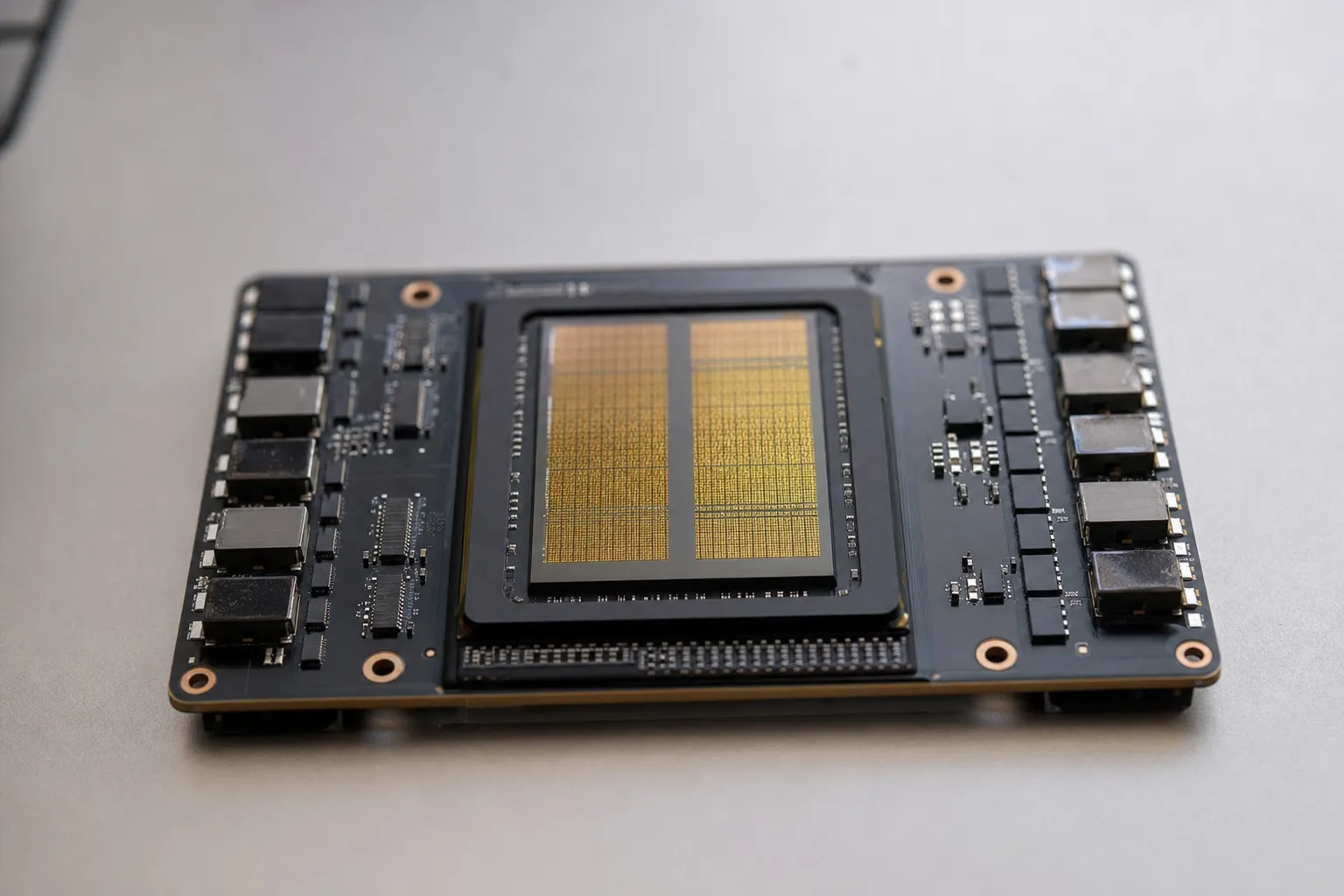
As NVIDIA's latest GPU generations push thermal limits higher, data centers are rapidly abandoning air-cooling for liquid-cooled infrastructure. The H200 Tensor GPU draws significantly more power than prior generations, with peak consumption reaching 700W per chip in dense configurations. When stacked in server racks designed for 10+ GPUs per unit, this creates power densities that traditional cooling cannot handle without massive facility upgrades. Blackwell architecture, NVIDIA's next-generation flagship, pushes thermal constraints even further. This infrastructure transition is reshaping how cloud providers and hyperscalers plan deployments, forcing them to retrofit existing data centers or build new facilities specifically engineered for liquid cooling. The shift affects not just NVIDIA's ecosystem but the entire competitive landscape around GPU infrastructure.
Major cloud providers are moving aggressively on this transition. AWS has begun retrofitting data centers in Virginia and Northern California with liquid-cooled GPU clusters, targeting H200 deployments with timelines extending through 2026. Google Cloud is similarly investing in liquid-cooling infrastructure upgrades at its U.S. data center sites, with partnerships announced to accelerate rollout. Microsoft Azure is deploying Blackwell-ready liquid-cooled systems, with initial production clusters coming online in Q1 2026. Meta has also committed to liquid-cooling retrofits across its AI compute fleet to support H200 and upcoming generations. These deployments deliver roughly 40% better power efficiency compared to air-cooled equivalents, translating to significant cost savings at hyperscale. A single liquid-cooled data center rack can now support 12–15 H200 GPUs with manageable thermal loads, whereas air-cooled designs max out around 6–8 units per rack.
This infrastructure transformation has profound implications for competition and vendor strategy. As liquid cooling becomes the baseline expectation for next-generation GPU deployments, the barrier to entry for new data center projects increases substantially. Companies building new facilities must now invest in custom cooling loops, specialized infrastructure, and expertise that favors deep-pocketed incumbents. This dynamic strengthens NVIDIA's moat: data centers optimized for H200 and Blackwell become increasingly difficult to repurpose for competitor hardware. Cloud providers are also seeing liquid cooling as a competitive advantage—the efficiency gains and higher GPU density translate directly to lower per-inference costs, making the largest players even more dominant. Smaller competitors and emerging GPU makers face a steeper climb, as customers now expect infrastructure investments to support NVIDIA-class performance and power profiles.