
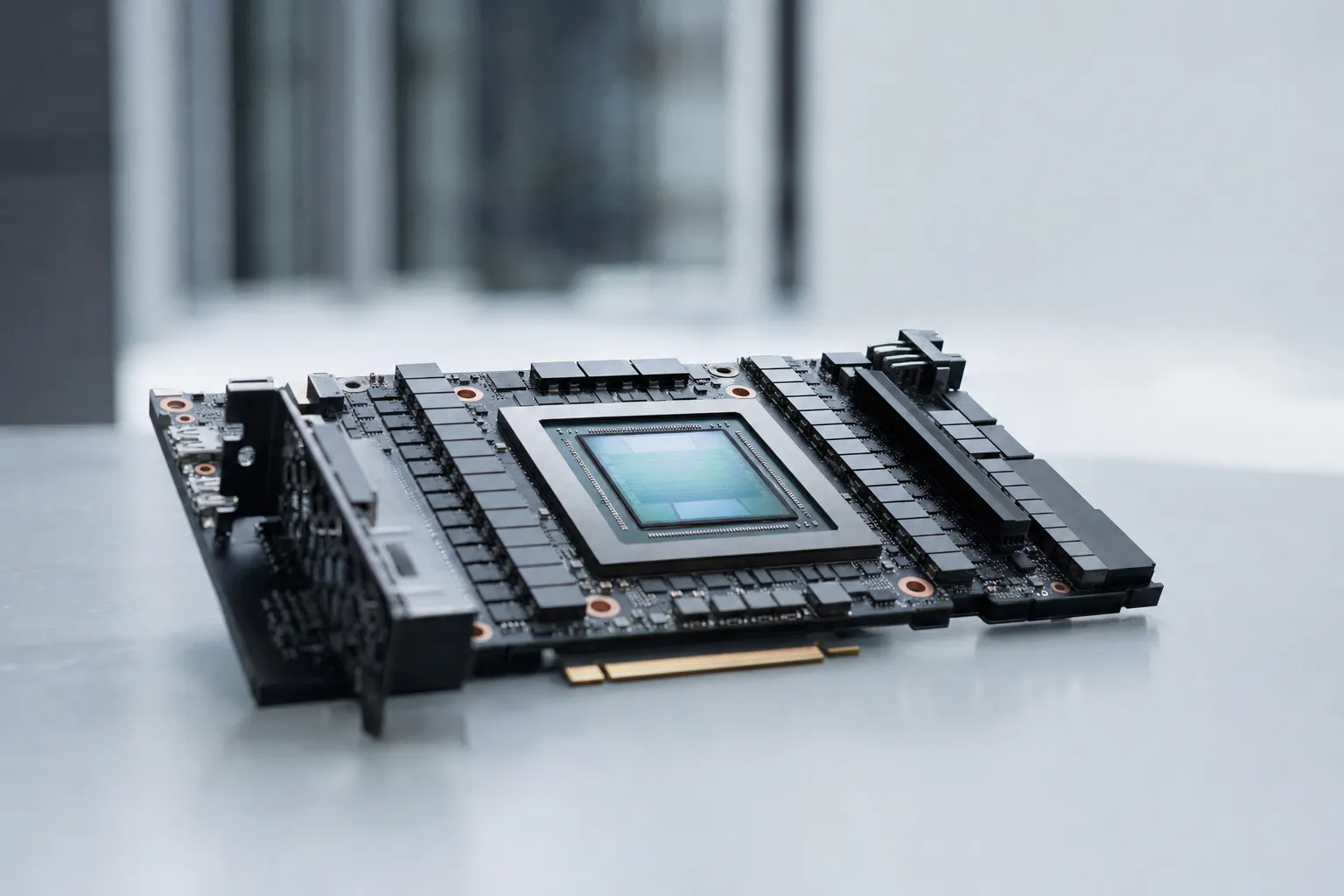
NVIDIA has launched Minerva, an AIOps platform designed to solve a mounting operational challenge facing enterprises: visibility into AI factory performance across the full stack. Unlike traditional infrastructure monitoring tools or standalone AI observability solutions, Minerva aggregates telemetry from both hardware and AI workloads, then applies purpose-built machine learning models to surface actionable insights before problems cascade. The platform addresses a specific pain point—teams currently struggle to correlate infrastructure bottlenecks with model performance degradation, leaving GPU utilization gaps and training inefficiencies undetected until they accumulate into significant costs. As data centers increasingly run mixed workloads across NVIDIA's expanding portfolio of accelerators, from H100s to Blackwell GPUs, unified observability has become less a nice-to-have and more a necessity for operational efficiency.
Minerva's timing aligns with broader evidence that enterprises are moving from AI pilot phases into production-scale deployment. European financial services organizations—including Revolut, payment processors, and data providers—are now architecting proprietary intelligence systems on NVIDIA-accelerated infrastructure, leveraging open-weight models while maintaining control over sensitive data. These production deployments demand real-time operational visibility that existing tools weren't built to provide. Simultaneously, NVIDIA expanded its Cosmos platform with new world model training tools and simulation checkpoints, enabling physical AI systems to understand and predict real-world dynamics. Cosmos already ranks in the top five across six different open model leaderboards, signaling that NVIDIA's software ecosystem is maturing alongside its hardware. These announcements, coupled with Jensen Huang's visit to Kazakhstan to advance regional AI infrastructure buildout, demonstrate NVIDIA's dual-pronged strategy: supply the chips and GPUs, then lock in enterprises with specialized software layers they cannot easily replicate elsewhere.
The strategic implication is profound. Minerva deepens enterprise dependency on NVIDIA's ecosystem by making operational excellence on NVIDIA hardware more achievable than alternatives. Once financial services firms optimize their AI factories using Minerva's diagnostics, retrain models on Cosmos frameworks, and build workflows around CUDA, migrating to competing hardware becomes prohibitively expensive—not just in switching costs, but in retraining engineering teams and revalidating production systems. This mirrors how NVIDIA dominated gaming through GeForce optimization and HPC through CUDA dominance: by making the specialized hardware and software so tightly integrated that moving becomes technically and organizationally untenable. As enterprises scale from dozens to thousands of GPUs, that lock-in becomes stronger, cementing NVIDIA's position as the infrastructure layer that runs the AI economy.