
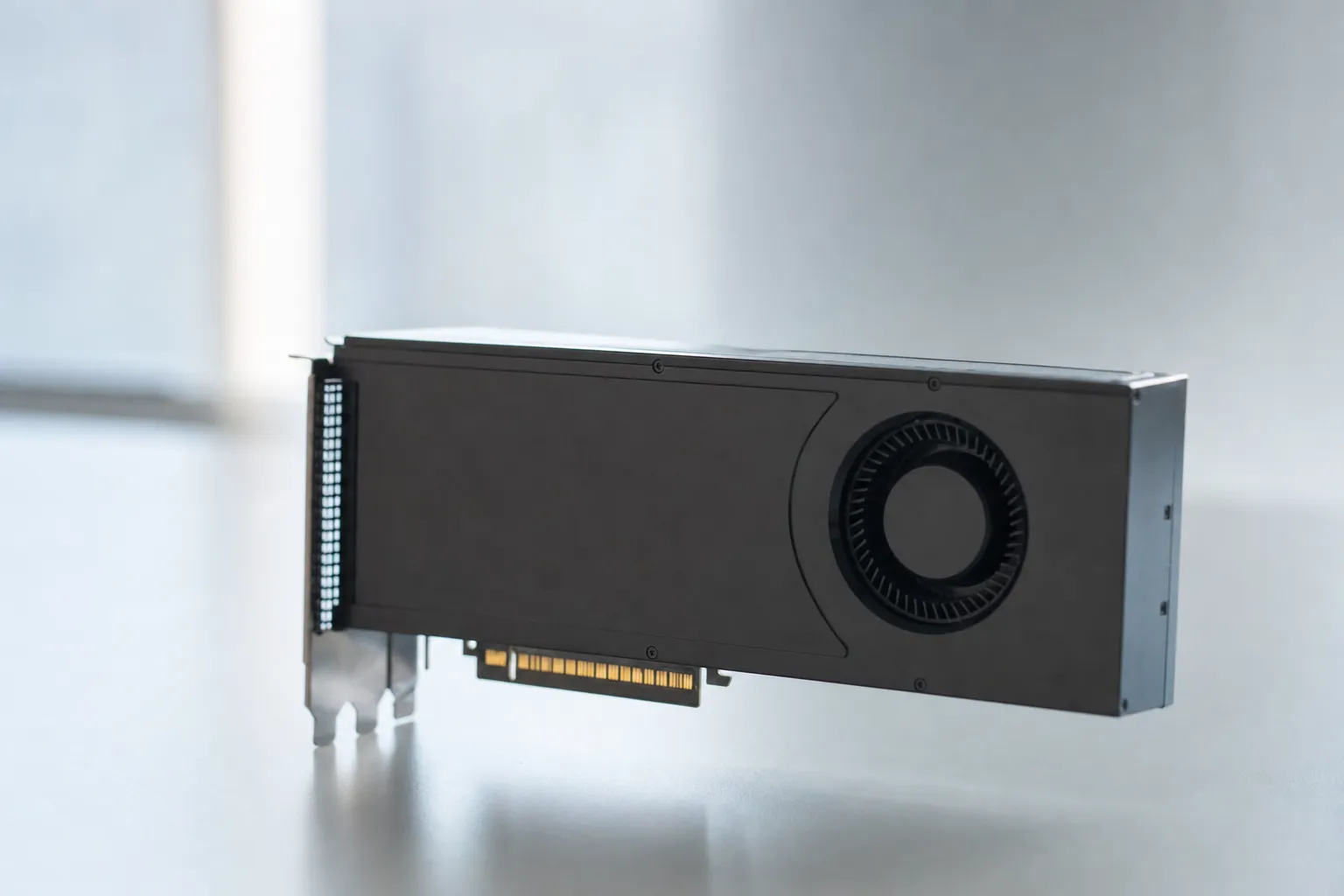
The week's largest AI funding rounds went to Tenstorrent, an AI chip and systems developer, and Flapping Airplanes, an AI lab, but the more revealing story lies in the capital trickling into unglamorous verticals. Slingshot Insurance emerged from stealth with $27 million in seed funding, co-led by Rally Ventures and Skyward Group, to build an AI-native embedded insurance platform that sells micro-policies at checkout. The Minneapolis startup represents a nascent but significant trend: venture capital betting that AI's real commercial value lies not in foundational models but in vertical integration—taking AI capabilities and embedding them into workflows where customers already spend money. Embedded checkout insurance has traditionally been a fragmented, low-margin business dominated by legacy insurers. Slingshot's AI-first approach promises to automate underwriting, pricing, and claims processing at scale, making micropolicies economically viable for the first time. The company's ability to raise $27 million at seed stage signals investor confidence that AI can unlock profitability in markets previously considered too small or complex for venture returns.
This funding pattern reflects a broader recalibration in AI capital allocation. Rather than betting exclusively on who builds the largest language model, VCs are increasingly backing companies that solve specific operational or customer problems using AI as a cost lever. Slingshot's model is particularly instructive: it doesn't require building proprietary models from scratch, but rather deploying existing AI capabilities—likely LLMs and computer vision—to automate manual processes that currently consume margins. The $27 million seed round, while modest compared to mega-rounds in foundation models, carries outsized significance because it demonstrates investor appetite for applied AI in B2B2C contexts, where distribution is already solved. Rally Ventures and Skyward Group's backing suggests that established venture firms, not just frontier investors, are pivoting toward these more defensible, capital-efficient opportunities. The embedded insurance model also benefits from network effects: every checkout integration becomes additional training data for the platform's risk models, creating a compounding advantage over time.
What this week's funding activity reveals is a maturation of the AI venture market beyond the hype cycle of 2023. The simultaneous funding of infrastructure plays (Tenstorrent's chip work), applied vertical solutions (Slingshot's embedded insurance), and robotics suggests capital is finally calibrating to reality: foundational AI is a commodity problem increasingly dominated by a few well-capitalized players, while defensible venture returns lie in implementation. Slingshot's $27 million seed—substantial enough to matter, focused enough to execute—exemplifies where venture dollars will likely concentrate over the next 18 months. These are not companies waiting for AI breakthroughs; they're companies using available AI to solve problems that previously lacked economic solutions. For founders, this shift signals a return to venture fundamentals: nail the customer problem, find a defensible wedge, and use AI as your competitive lever, not your entire value proposition.