
The AI buildout is experiencing a significant shift in its financing mechanisms, moving away from venture equity toward debt.1 This transition echoes the dynamics of the telecom bubble, raising concerns about whether the market will sustain current spending levels.1 The core risk is that infrastructure investment could grow faster than the revenue needed to service debt obligations.1 As more AI startups rely on borrowed capital rather than equity checks, the pressure to deliver near-term returns intensifies in ways venture funding previously helped defer. This creates a tighter financial runway for companies still proving their business models.
According to David Spreng of Runway Growth Capital, the survival of debt-dependent AI companies will hinge on two critical factors: realistic demand forecasts and debt structures tied to sustainable cash flows.1 If timelines slip or revenue projections prove overly optimistic, the consequences could be severe—missed targets may force corporate restructurings or even bankruptcies.1 Unlike equity investors who can wait out longer development timelines and absorb losses, debt holders expect fixed payments regardless of business performance. This creates a harder financial constraint for companies still proving their profitability in an uncertain market, limiting their ability to course-correct.
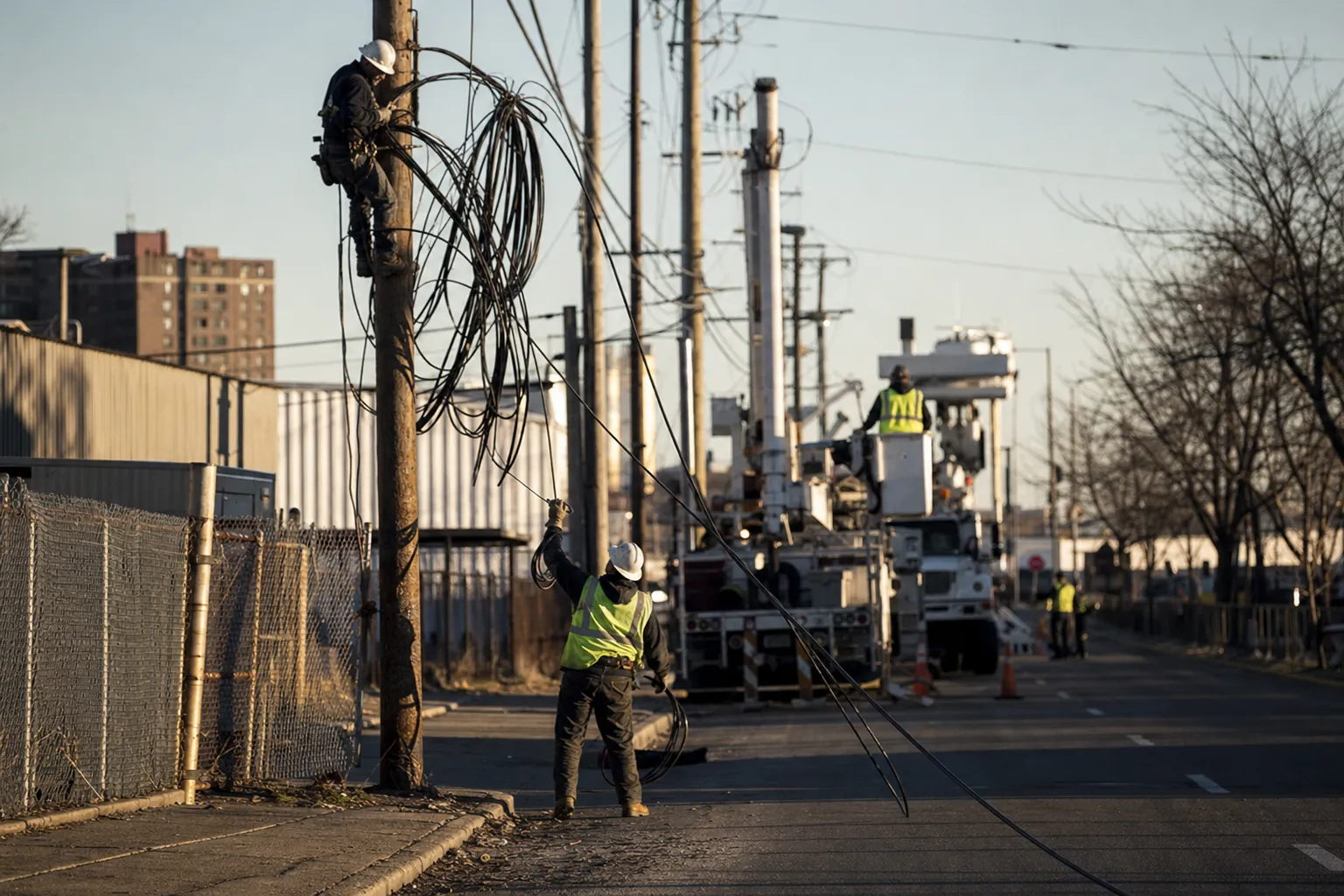
The telecom bubble offers a cautionary lesson about the dangers of rapid infrastructure buildout without matching revenue growth, a pattern that destabilized entire sectors and left investors holding worthless assets. While AI's underlying technology promise may ultimately prove more durable than telecom's optimistic assumptions, the shift from equity to debt financing suggests the market is maturing and tightening discipline around capital allocation. For AI founders and investors, this transition signals heightened scrutiny of unit economics and customer demand realism—suggesting that the era of pure technology conviction funding growth indefinitely is ending.