
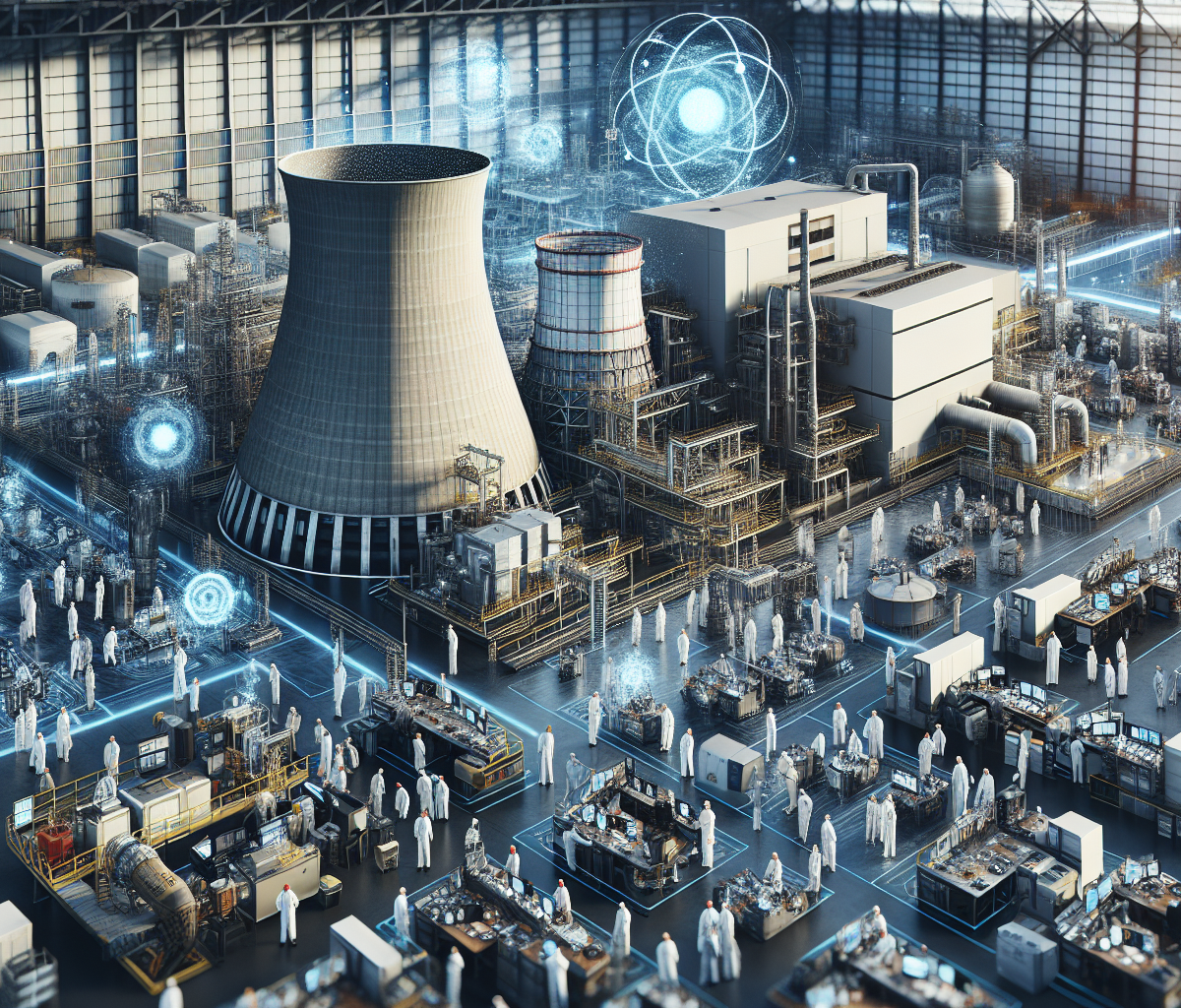
Tech companies scrambling to meet exploding AI compute demands have sparked an unexpected political realignment around nuclear energy. Microsoft, Google, and other major players are actively pursuing partnerships with nuclear operators to secure reliable power for massive data centers, reversing years of industry skepticism toward atomic energy. This corporate interest arrives at a rare moment of bipartisan support: nuclear power enjoys unusual approval across the U.S. political spectrum, driven by both climate concerns and the immediate energy crisis posed by AI. However, this resurgence exposes a critical regulatory gap. The nuclear industry currently generates approximately 2,000 metric tons of spent fuel annually, with no permanent disposal solution in place. Yucca Mountain, designated as the nation's repository in 1987, remains in regulatory limbo after decades of political gridlock and funding disputes. Interim storage sites are at capacity, creating a bottleneck that directly threatens the timeline for expanding nuclear generation to meet tech sector demands.
The collision between AI's infrastructure needs and nuclear policy timelines presents a concrete policy challenge. Data centers require consistent baseload power—estimates suggest major AI facilities need 500+ megawatts of dedicated capacity. Current nuclear capacity cannot satisfy both existing demand and new tech commitments without operational certainty around waste management. The Nuclear Waste Policy Act of 1982 established the federal government's responsibility for permanent disposal, but no new authority mechanisms exist to accelerate repository development or licensing. The Department of Energy retains primary authority, yet funding and political will remain insufficient. Several proposals circulate in Congress to create interim consolidated storage facilities and accelerate Yucca Mountain licensing, but none has secured sufficient momentum. Industry analysts warn that without concrete regulatory progress on waste disposal within 24-36 months, major tech companies may redirect investments toward alternative energy solutions or face construction delays.
The stakes extend beyond corporate infrastructure planning. A failure to resolve nuclear waste policy risks squandering momentum on both climate goals and domestic AI competitiveness. Conversely, expedited waste management policies could unlock substantial new generation capacity. Policymakers face an unusual leverage point: tech sector demand provides economic incentive for nuclear expansion that hasn't existed in decades. However, seizing this opportunity requires moving waste policy from perpetual study to implementation. Congressional action on interim storage authorization and Yucca Mountain timeline acceleration has become operationally urgent rather than theoretical. The next 12 months will likely determine whether nuclear-powered AI infrastructure remains a viable strategy or becomes another casualty of unresolved energy policy.