
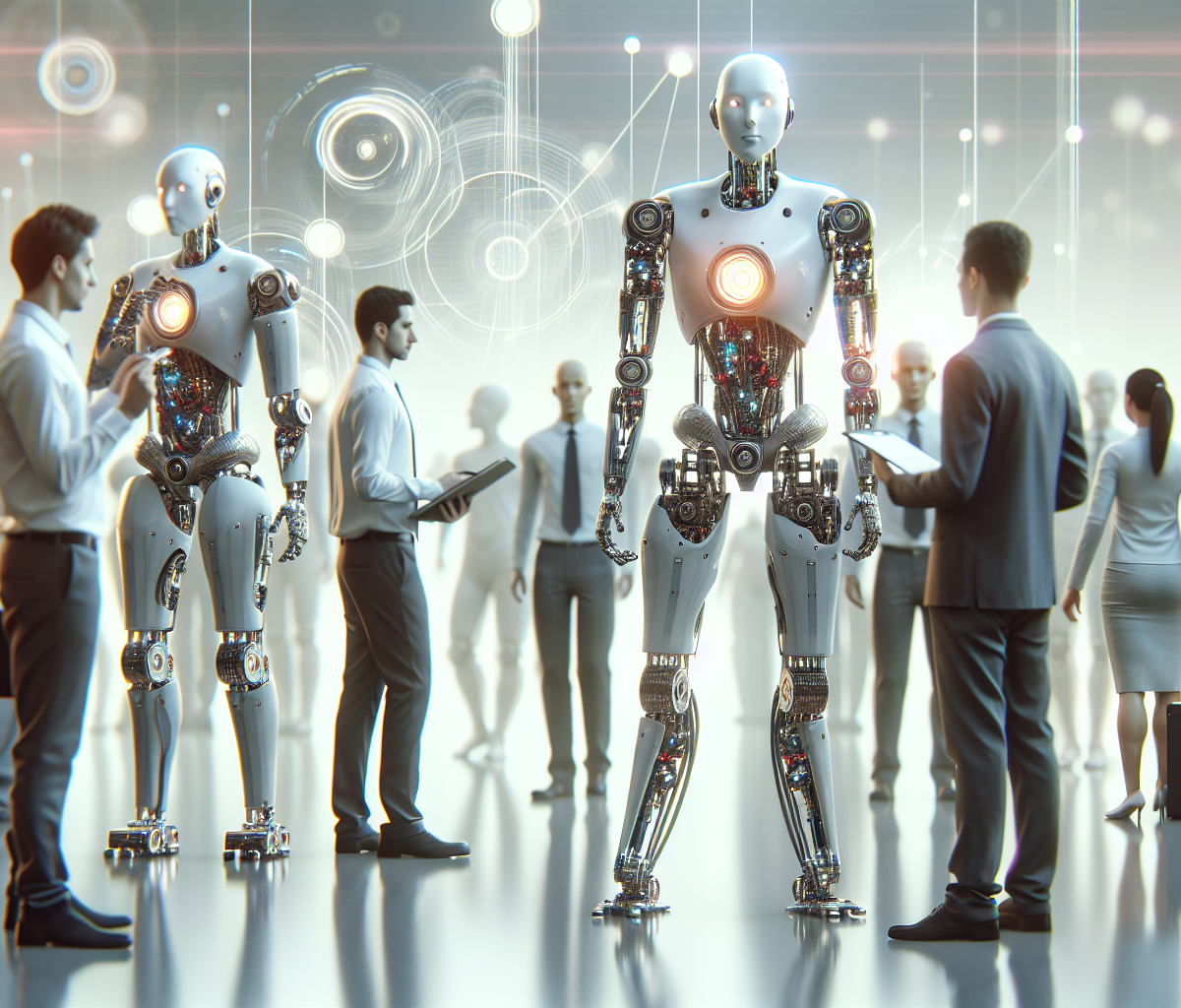
Gill Pratt, a prominent figure in robotics development and former DARPA program manager, recently declared that humanoid robots have reached an inflection point where commercial deployment is finally viable. This assessment comes more than a decade after DARPA's landmark Robotics Challenge (2012-2015), which catalyzed major breakthroughs including Boston Dynamics' Atlas platform. What changed? Pratt's statement reflects genuine hardware maturation: robots can now perform complex, dynamic tasks with improved dexterity and energy efficiency. The timeline matters because it signals investor and industry confidence that the multi-billion-dollar bets placed on humanoid platforms over the past five years are approaching commercialization. Unlike previous hype cycles, this declaration carries weight because it's rooted in observable progress rather than speculation.
Recent technical breakthroughs underscore why Pratt's timing may be accurate. Boston Dynamics' Atlas has evolved from a disaster-response prototype into a platform capable of industrial tasks like box-handling and assembly work. Simultaneously, researchers at the Institute of Science Tokyo have developed Wi-Fi receivers capable of functioning inside nuclear reactors—a development with immediate real-world application for decommissioning operations. These hardened communication systems are essential because robots operating in extreme environments like reactor facilities need reliable wireless control and data transmission. The nuclear application represents the kind of high-stakes, high-value use case that justifies robotics investment and demonstrates that humanoid platforms aren't confined to controlled laboratory settings anymore.
Yet hardware advances alone cannot guarantee successful integration into homes, offices, and factories. Researchers studying human attitudes toward robots have identified a critical gap: public perception and regulatory frameworks lag significantly behind technical capability. Recent discussions about setting rules for robots in public spaces highlight this disconnect—society hasn't established clear safety standards, liability protocols, or operational boundaries for autonomous systems in shared human environments. Meanwhile, emerging research into biological robots with nervous systems suggests future robots may possess learning and adaptation capabilities that current regulations cannot anticipate. Until regulatory bodies, industry stakeholders, and the public align on acceptable robot behavior, the practical implementation of Pratt's vision remains constrained. The robotics industry's next challenge isn't engineering; it's governance and social acceptance.