
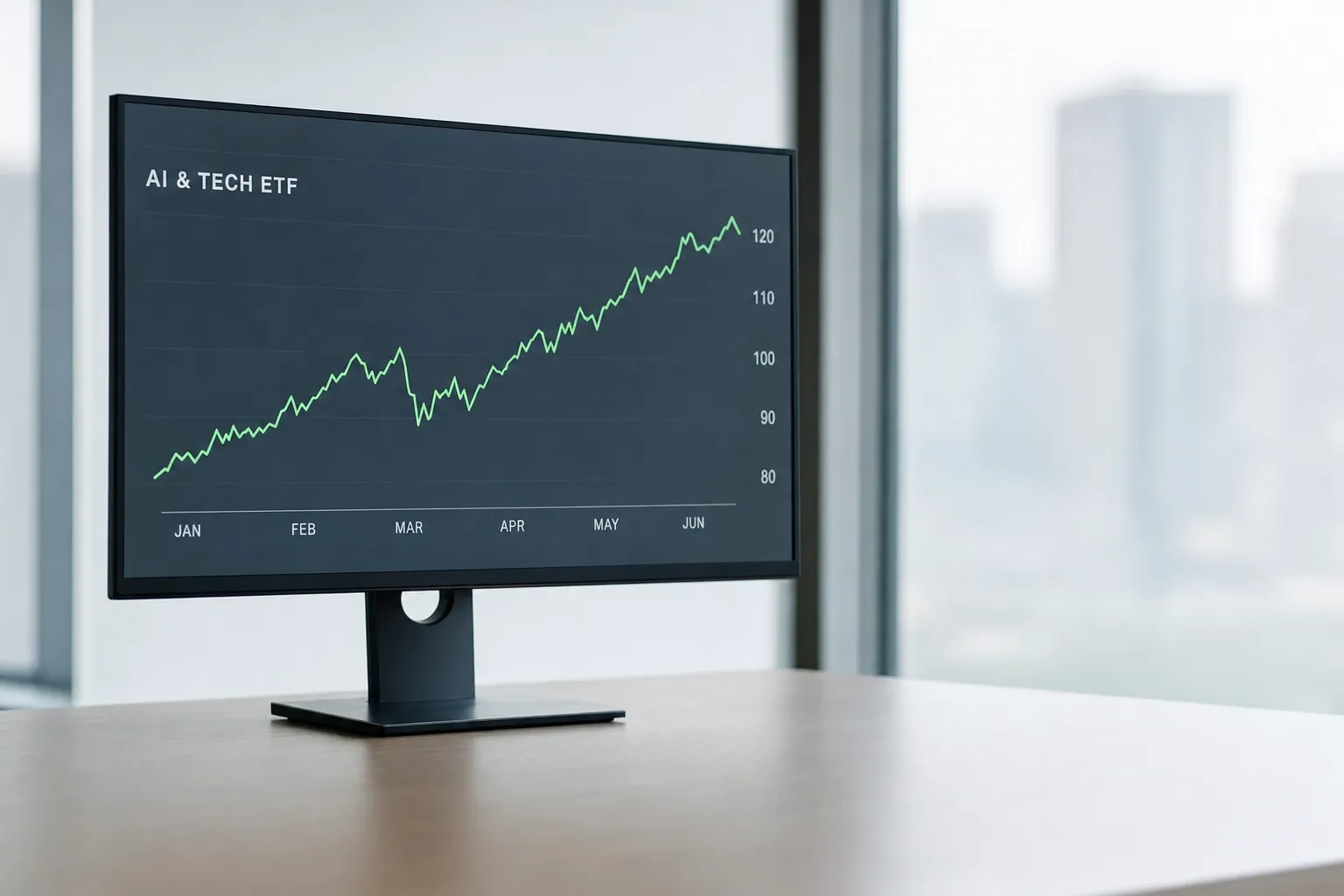
Market observers have announced the conclusion of the artificial intelligence trade that has captivated investors for months. Wall Street consensus holds that the opportunity in AI has played out and that the exuberance surrounding artificial intelligence companies is finished. Yet exchange-traded fund investors are not behaving accordingly. ETF investors continue to actively purchase AI-related securities and maintain existing positions, suggesting they believe the technology and its companies still offer value. This disconnect between professional sentiment and actual investor behavior reveals deep uncertainty about artificial intelligence's true investment potential.
Nvidia's latest earnings report highlighted this tension. The semiconductor company, central to artificial intelligence infrastructure worldwide, initially saw its stock rally on strong financial results. That rally proved ephemeral. Nvidia's gains reversed as broader markets declined, erasing the initial enthusiasm. The pattern suggests the company's earnings, while solid, failed to convince the broader market that the AI sector can sustain current valuations. Whether this reflects genuine concerns about AI economics or merely a correction after months of gains remains unclear.
The discord between sentiment and investor action has real implications for how the market allocates capital. If Wall Street is right that the AI trade is ending, corporate budgets and venture capital will likely flow toward other investment opportunities. If ETF investors are correct, capital will continue supporting artificial intelligence companies and development. The resolution will emerge as companies deploying AI technology report on whether artificial intelligence is delivering the financial returns investors expect. This fundamental question will determine how much capital the sector receives in coming quarters.