
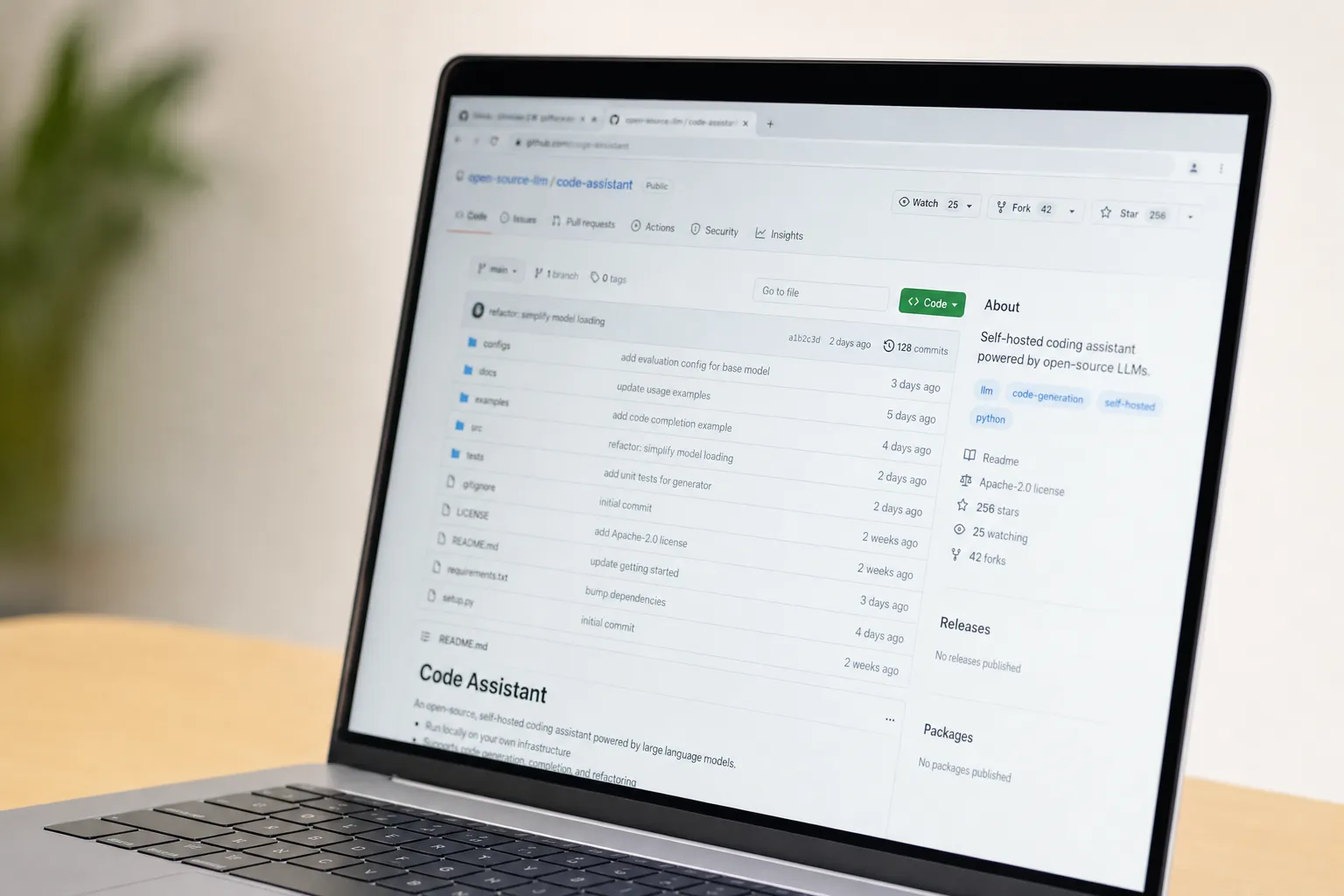
The open-source AI ecosystem is experiencing a notable shift as locally-runnable coding models increasingly rival paid API solutions in both cost and performance. Recent comparisons show that zero-cost, self-hosted models—available through Ollama, llama.cpp, and similar platforms—can deliver results comparable to commercial APIs without subscription fees. This development is democratizing access to coding assistance, allowing developers to run powerful models on personal hardware without vendor dependency. As organizations seek cost-effective alternatives, self-hosted solutions have become central to AI tooling decisions.
Multiple open leaderboards evaluating open-source models have emerged to address a critical information gap in the ecosystem. These standardized benchmarks provide transparent metrics comparing hundreds of models on coding-specific and general tasks, enabling developers to choose deployments based on rigorous performance data rather than marketing claims. This evaluation infrastructure transforms the decision-making process, making it practical to identify the best-performing models for specific use cases. The proliferation of these tools represents infrastructure maturation essential for making the open-source path viable at scale.
This convergence of capable models, transparent evaluation frameworks, and production-ready infrastructure marks a turning point for open-source AI deployment. Projects like llm-d 1.0 are explicitly designed to simplify production inference, while security-focused auditing tools address enterprise concerns about code safety. Together, these developments signal that self-hosting is moving from experimental to practical and cost-competitive. For developers and organizations prioritizing data sovereignty and cost control, the open-source ecosystem now offers a genuinely compelling alternative to proprietary platforms.