
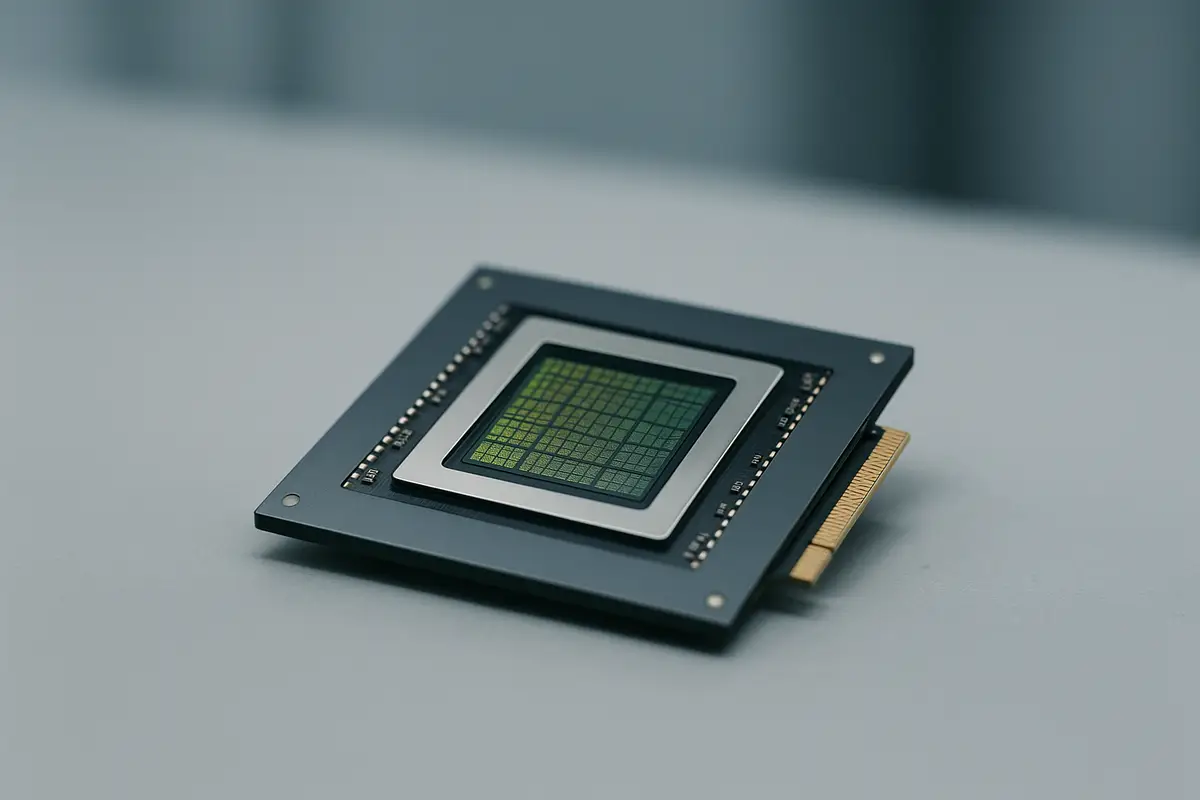
NVIDIA and Microsoft announced RTX Spark this week at a San Francisco event, introducing a new runtime framework designed to execute AI agents and inference workloads directly on consumer-grade RTX GPUs integrated into Windows PCs. RTX Spark is a lightweight software stack that abstracts the complexity of deploying AI models locally, allowing developers to run inference without routing requests to cloud services. The framework targets a growing segment of use cases where latency, privacy, and cost considerations make on-device computation preferable to cloud inference. By co-engineering the solution with Microsoft, NVIDIA is directly addressing the economics of cloud inference—eliminating network round-trip latency and reducing per-inference costs for applications that can tolerate GPU-constrained throughput. The announcement underscores a strategic pivot in how NVIDIA views the inference market: while data center GPU demand remains robust, consumer and edge deployment represents a substantial untapped lever for driving RTX GPU adoption.
RTX Spark supports a range of open and proprietary AI models, including quantized versions of popular large language models optimized for consumer GPU memory constraints—typically targeting cards with 4GB to 24GB of VRAM. The framework leverages NVIDIA's CUDA ecosystem and TensorRT inference optimization libraries to maximize throughput and minimize latency on RTX hardware. Early testing indicates single-digit millisecond inference latencies for smaller models on current-generation RTX GPUs, substantially faster than cloud round-trip times which typically range from 100–500ms when accounting for network latency. Pricing and general availability details remain limited, though Microsoft signaled the framework will be available through Windows and integrated into the company's AI developer tooling. The timing aligns with Windows 11's expanding AI PC initiatives and reflects mutual interest in reducing dependence on cloud providers for routine inference tasks.
For NVIDIA, RTX Spark represents a calculated expansion of the addressable inference market beyond traditional data center buyers. By enabling developers to build AI agents that execute locally on consumer GPUs, the company creates demand for RTX hardware upgrades across millions of existing Windows machines while improving the value proposition of mid-range gaming and workstation GPUs. Analysts note the move doesn't cannibalize data center inference revenue—cloud providers will continue handling large-scale, latency-insensitive workloads—but instead captures a new segment where edge execution is economically or operationally superior. Microsoft's co-investment signals confidence that on-device AI agents will drive consumer GPU adoption and PC refresh cycles, directly benefiting both companies' commercial interests.